Your team has more to offer than it’s currently showing
Keynotes and workshops that help leaders move teams from silence to contribution.
Behavior follows architecture.
Change the conditions,
change what people do
People do not hold back because they lack ideas. They hold back because contribution carries risk.
The way people show up at work is shaped by what they believe is safe to say, safe to try, and safe to risk. When the conditions reward silence, people protect themselves. When the conditions support trust, people are more willing to communicate, contribute, and lead before certainty arrives.
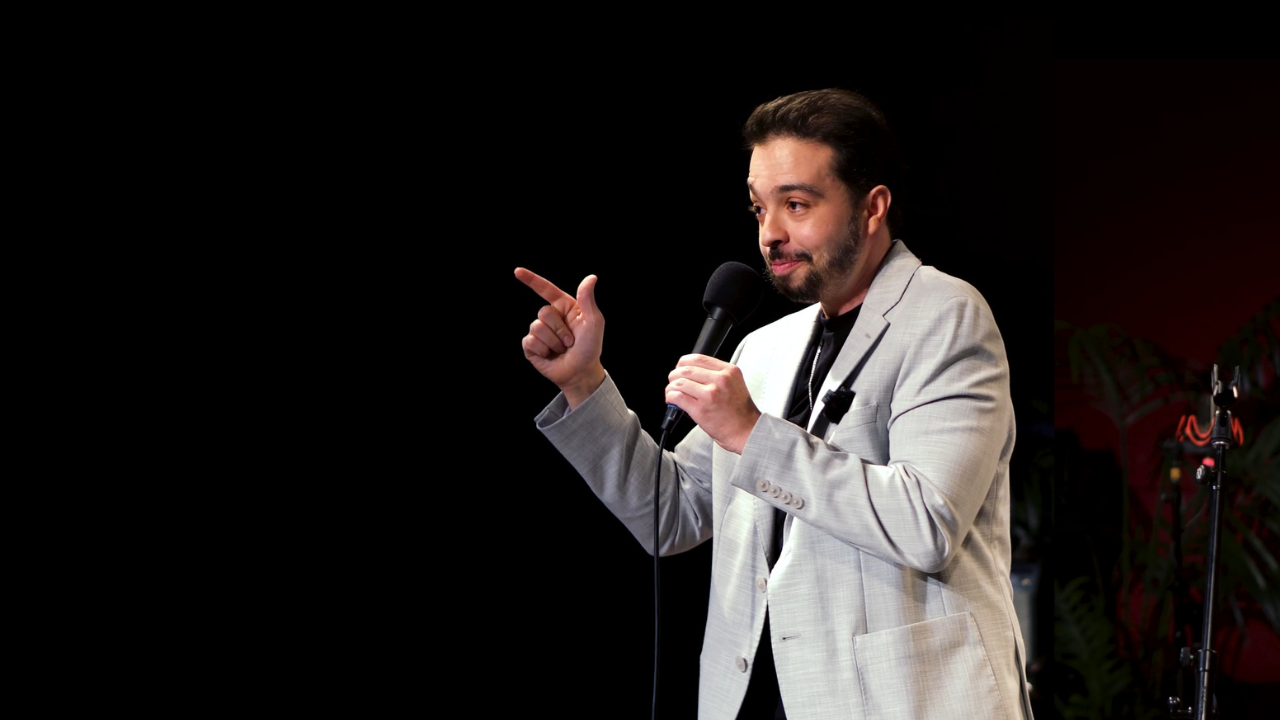
Through keynotes, workshops, and leadership development experiences, Daniel helps leaders and teams move from silence to contribution by building the psychological safety and self-trust people need to speak up, share ideas earlier, and take ownership under uncertainty. His work blends human behavior, storytelling, and experiential learning to create learning that is not just understood, but felt and practiced in real time.
Bring This Work to Your Organization
Tell me a little about your event, team, or organization, and I’ll personally follow up to explore the right fit.
WHAT I OFFER
01
Keynotes
Talks that help leaders understand why talented people hold back and how to create the conditions for more honest contribution.
02
Workshops
Experiential sessions that help teams practice speaking up, sharing ideas earlier, and contributing before certainty arrives.
03
Leadership Development
Custom experiences that help managers build psychological safety, trust-based communication, and stronger ownership across teams.
“Talented people do not stop having ideas. They stop offering them in rooms where self-protection feels safer than contribution. Your innovation problem may not be a strategy problem; it may be a psychological permission problem.”
Daniel Cianci
Human Architecture Lab · Keynote Speaker · Workshop Facilitator · Leadership Development