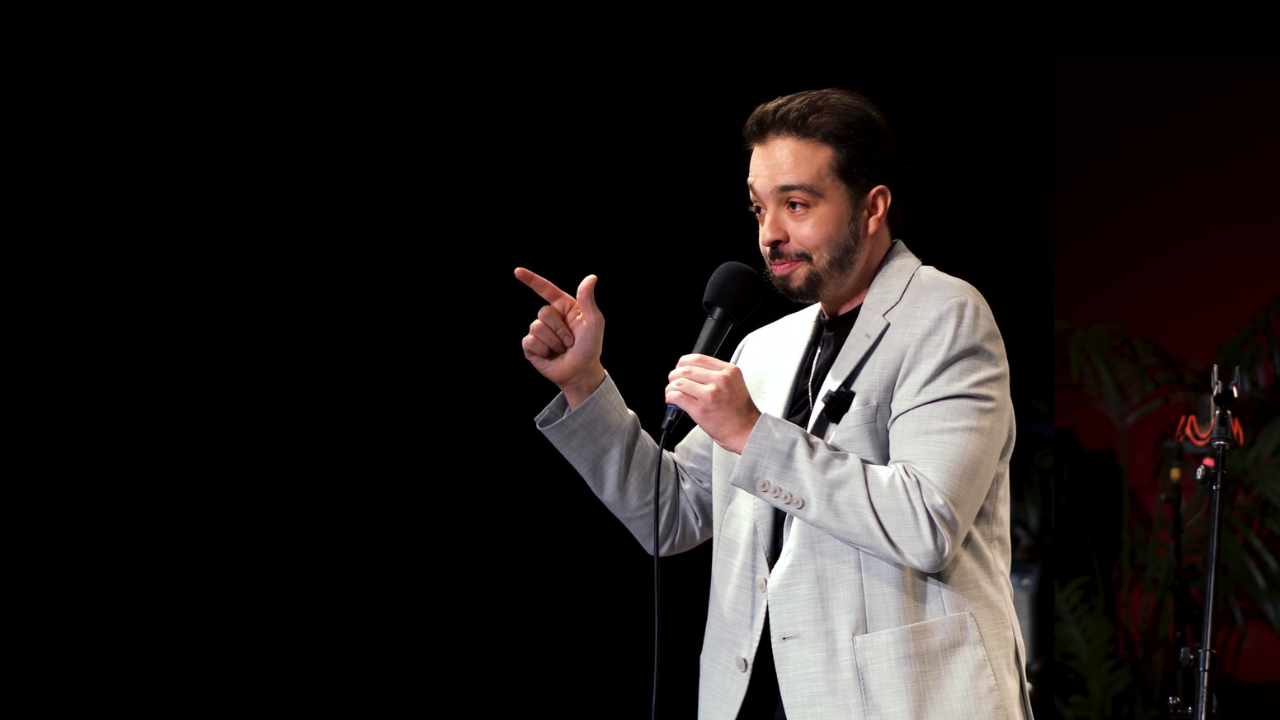
Keynotes That Move Teams From Silence to Contribution
A new lens on why talented people hold back, and how leaders can create the conditions for stronger communication, ownership, and contribution
These are not motivational talks. They are practical, human-centered keynotes that help leaders understand what is happening beneath silence, hesitation, and under-contribution.
Daniel gives audiences a clearer way to understand why talented people hold back, why meetings underperform the talent in the room, and how leaders can create environments where people speak up, share ideas, and take ownership.
THE CORE IDEA
Silence is not always disengagement. Sometimes, it is self-protection.
In most organizations, silence does not look dramatic.
It looks like a meeting where only a few voices carry the conversation. A question no one asks. A concern that stays private. An idea that never makes it to the table.
Leaders often interpret that silence as disengagement, lack of ownership, or lack of ideas.
But many people are not silent because they do not care. They are silent because speaking up feels risky.
They are calculating whether the idea is good enough, whether the timing is right, whether they will be judged, or whether it is safer to stay quiet.
When leaders understand what silence is really communicating, they can create the conditions where people feel safe enough to speak up and self-trusting enough to contribute.
“The quiet person in the meeting may not be disengaged. They may be running a risk calculation no one else can see.”
When leaders become aware that this is happening, that people often hesitate not because they agree, but because speaking feels risky, they can start building environments where people do not have to choose between safety and contribution.
What Silence in the Room is Really Telling You
Why talented people hold back, and what leaders can do about it.
Most leaders assume silence means people do not care.
In reality, silence often reveals something deeper: uncertainty, fear of judgment, self-protection, or a lack of psychological safety.
This keynote helps leaders understand what may be happening beneath the surface when people are not speaking up, sharing ideas, or offering feedback, and how to create environments where people feel safe enough to contribute.
Best suited for: leadership conferences, management development programs, association events, executive retreats, and team culture programs.
WHO THIS IS FOR
Organizations where at least one of the following sounds familiar.
Meetings underperform the talent in the room
The ideas exist, but only a few voices consistently bring them forward.
People wait until ideas feel perfect
Teams hold back early thoughts, questions, and feedback until everything feels polished or safe.
A few voices carry the conversation
Contributions are uneven, and leaders are not sure whether the issue is confidence, culture, or communication.
Psychological safety has been named, but not felt
The organization values openness, but people still hesitate to speak honestly in the moments that matter.
Bring this conversation to your organization.
If your team is full of talented people but contributions are not reaching the level they could, the best next step is a short conversation.
Together, we can explore which keynote would best fit your audience, event, or leadership development goals.